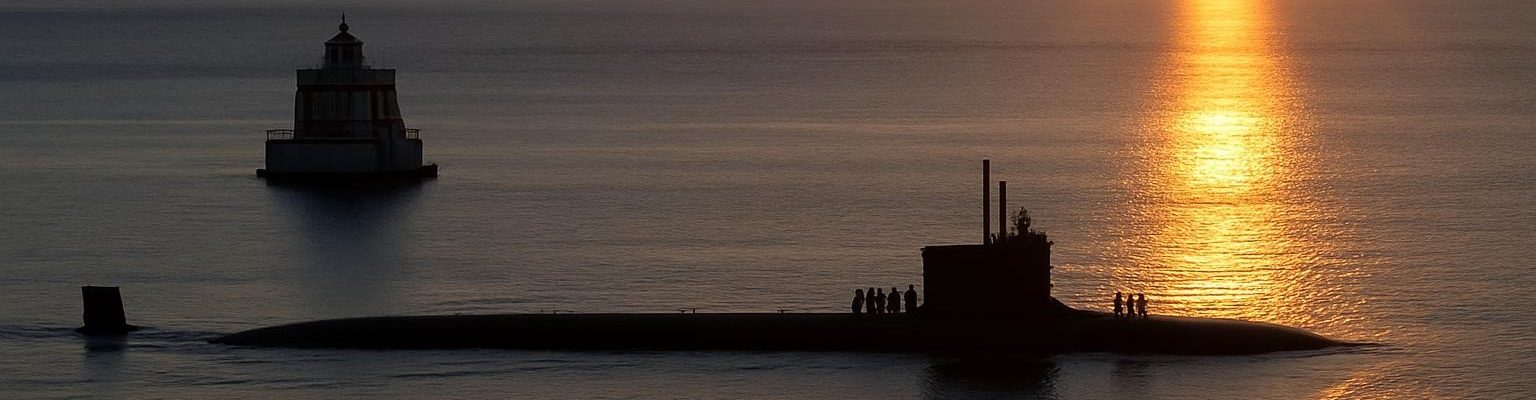
Summer 2024 Internship Project
NOTE: Details excluded for confidentiality
Designed a detailed engineering test rig drawing to standardize submarine lube oil tank testing, reducing ambiguity for tradespeople and improving test consistency across shifts.
Project Overview
During Summer 2024, I worked as an engineering intern at General Dynamics Electric Boat within the Waterfront Support Engineering group. This team provides engineering support for the Ship Test Organization (STO) responsible for testing Virginia-class submarines. The group designs test rigs, develops test procedures, and supports the execution of critical component and system tests.
My role focused on supporting ongoing testing operations through engineering documentation, drawing updates, and the development of a standardized test rig drawing for a submarine component test.
Engineering Problem
Lube oil tanks on Virginia-class submarines must undergo pressure and strength testing to verify structural integrity and leak-free operation. While STO performs these tests using written procedures, the procedures lacked detailed part specifications or standardized test setup drawings.
As a result, tradespeople conducting the tests relied on personal experience to select components and assemble test rigs. This led to inconsistencies between shifts and increased the risk of setup variation during testing.
Design & Engineering Work
I was responsible for creating a detailed engineering drawing of the test setup to accompany the existing test procedure. This drawing was intended to standardize the test configuration and provide clear guidance for tradespeople performing the test.
To complete this work, I:
- Researched connections to permanent ship structures
- Selected appropriate components, including pumps and pressure relief valves
- Reviewed part and material specifications to ensure compatibility with test requirements
- Cross-referenced multiple legacy engineering and construction drawings to resolve missing or poorly documented information
Because many existing drawings were outdated or poorly referenced, this process required compiling information from multiple sources to produce a complete and accurate final drawing.
Validation & Collaboration
To ensure the drawing was practical and usable in the field, I visited the test site and worked directly with STO personnel. Their feedback informed final part selection and layout decisions, ensuring the drawing accurately reflected real-world testing conditions and constraints.
Outcome & Impact
The completed drawing provided a standardized reference for conducting lube oil tank testing, reducing ambiguity in test setup and improving consistency across personnel and shifts. The project supported safer, more repeatable testing and reduced reliance on informal, experience-based decision-making.
Key Skills Developed
Technical Skills:
- Engineering drawing creation and interpretation
- Test rig documentation for safety-critical systems
- Part and material specification analysis
- Integration of legacy engineering and construction data
Professional Skills:
- Collaboration with tradespeople and test engineers
- Translating written procedures into standardized visual documentation
- Problem-solving in documentation-limited environments
- Field validation of engineering designs
 Sofia Luce Portfolio